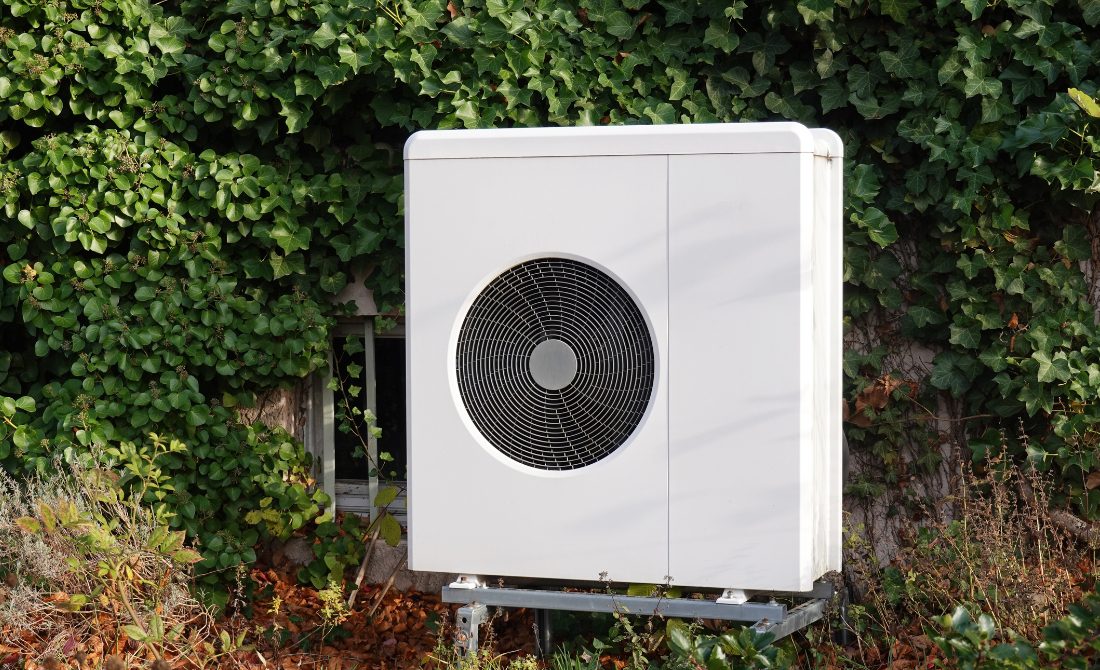


A common concern for homeowners considering installing an air source heat pump is the potential sound of the outdoor unit. But the good news is modern systems are designed to run quietly and efficiently.
That said, understanding heat pump noise levels is still part of choosing a renewable heating system. The hardware requires mechanical components such as a compressor and a fan, which naturally generate some sound. However, many people compare the sound to a modern refrigerator or a gentle background hum.
Air source heat pumps produce outdoor and indoor noise, with differing levels and sources:
- Outdoors: This is where most of the noise comes from, meaning the bulk of the noise generated will not impact the interior of your home. The external unit has a fan and a compressor, so you will typically hear a steady hum or whoosh, similar to a modern air-conditioning unit.
- Indoors: The indoor unit is much quieter. It contains pumps and valves but no large fan or compressor. Most people describe it as a very low hum, often barely noticeable once installed.
Here at Lewington’s we’ve been installing renewable systems such as air source heat pumps, since 2000, so we can advise on all aspects of these systems, including whether an air source heat pump is the best solution for your home. Call us on 01858 433333 to find out more.
How noisy is an air source heat pump really?
Modern air source heat pump units typically operate between 40 and 60 decibels. To put this into perspective, 40 decibels is equivalent to the background noise of a quiet library or a gentle rainfall. Operating at 60 decibels is comparable to normal conversation or the sound of an average dishwasher in the next room.
Most modern units are much quieter than older versions. Manufacturers achieve this acoustic performance by using inverter-driven technology and variable-speed fans, which allow the system to operate at lower, quieter speeds for the majority of the time. The sound output of the external condenser unit blends into normal outdoor background noise, while the indoor components remain largely silent. Today, homeowners have access to a wide range of low-noise heat pumps that prioritise peaceful operation.
Where does the noise come from?
The fan
The airflow system requires a large fan to draw outside air across the internal heat exchanger. This fan creates a soft, continuous sound rather than loud bursts of noise. The steady rotation moves the air efficiently through the unit to facilitate the heating cycle.
The compressor
The compressor is the heart of the refrigerant cycle, squeezing the refrigerant gas to increase its temperature. Modern units use an inverter compressor, which adjusts its speed gradually rather than snapping on and off. These components are heavily insulated within the outdoor condenser and designed for much quieter operation than early models.
Defrost cycles in winter
During colder weather, ice can occasionally form on the outdoor unit. The heat pump will automatically run a brief defrost cycle to clear it. You might notice a temporary change in sound during this process. This is completely normal and ensures the system maintains its efficiency.
What does an air source heat pump sound like in everyday use?
Most people stop noticing the operating sound of the outdoor unit after a short time. The noise is usually described as a gentle hum or a steady background sound, very similar to a modern fridge.
You are most likely to notice the sound late at night when the surrounding environment is still, in very quiet rural gardens or when standing directly next to the unit. Proper installation makes a major difference in how this sound is perceived. Cheap or poorly installed systems are far more likely to create vibration issues, which can turn a quiet hum into an irritating rattle. As the trusted local installers with over 25 years’ experience in providing renewable systems, you can rest assured your system will be quietly efficient.
Are air source heat pumps noisy for neighbours?
The impact on surrounding properties is one of the most searched homeowner concerns as UK planning regulations and permitted development rules include specific noise considerations to protect local residents. Careful installation positioning ensures neighbour considerations are fully addressed.
What can make a heat pump louder than normal?
Poor installation
Incorrect mounting can cause significant vibration noise. Loose brackets, unstable bases, or poor airflow clearance around the unit will force the system to work harder and sound much louder than it should.
Lack of maintenance
Dirt build-up and debris around the fan can throw the blades off balance or restrict airflow. Worn components can also create rattling or grinding noises if they are not replaced during routine checks. As with any heating system, a yearly service is recommended to ensure your system is operating at its optimal level.
Older heat pump systems
Technology has advanced rapidly in recent years. Newer models are considerably quieter than older generation heat pumps, which relied on simpler on/off compressor systems and standard fans.
Running at maximum output
During periods of extreme cold, the heat pump must work harder to extract heat from the freezing air. The system may run at its maximum output, temporarily increasing the volume of the fan and compressor.
How we reduce heat pump noise
Our expert installers use several proven methods to keep heat pump installation noise to an absolute minimum. Correct unit placement is the most important factor, ensuring the system is kept away from noise-sensitive areas. Installers fit anti-vibration mounts beneath the unit to absorb mechanical movement and prevent sound from travelling through walls or patios.
Ensuring adequate airflow space around the unit prevents the fan from straining. Professional system sizing is also critical, as an undersized unit will run constantly at maximum capacity, generating more noise. Modern acoustic engineering and advanced acoustic insulation provided by trusted manufacturers like Worcester Bosch ensure the latest renewable heating technology remains incredibly quiet.
Do air source heat pumps get noisier over time?
Properly maintained systems should remain consistently quiet throughout their lifespan. Annual servicing is the best way to ensure long-term efficiency and low noise levels.
During preventative maintenance, an engineer will help identify worn fan bearings, loose components or airflow restrictions that could increase the operating volume over time. Unusual noises should always be checked professionally to prevent minor wear and tear from developing into a more serious fault.
Are some air source heat pumps quieter than others?
Noise levels may vary slightly between different manufacturers and models. However, the systems we install are designed with quiet compressors, variable-speed fans and superior acoustic insulation.
What are the benefits of installing an air source heat pump?
Most homeowners find the operating noise minimal and entirely acceptable when weighed against the benefits. The energy efficiency advantages provide a more consistent heating performance throughout the home while significantly lowering carbon emissions.
Reducing your reliance on fossil fuels helps future-proof your property and supports the transition to low-carbon homes. Furthermore, financial incentives like the Boiler Upgrade Scheme can make adopting this renewable energy far more accessible, helping you manage energy bills over the long term. To find out more about the generous grants available, please visit our funding page.
FAQs
Are air source heat pumps noisy at night?
Noise may seem more noticeable overnight because surroundings are much quieter. However, quiet modern systems generally do not cause noise issues at night.
Can neighbours complain about heat pump noise?
Air source heat pumps no longer need to be placed at least one meter away from property boundaries, which means they are now a more viable option for those with limited outdoor space.
What is the average noise level of an air source heat pump?
Typical modern units often operate around 40 to 60 decibels, depending on the specific model, its size, and the current heating output required.
Why is my air source heat pump suddenly louder?
Possible causes include debris trapped in the fan enclosure, loose internal parts vibrating against the casing, or temporary ice build-up during winter. Sudden increases in volume indicate maintenance requirements.
Are newer heat pumps quieter than older models?
Yes. Modern inverter-driven systems are significantly quieter and more efficient than older units, adapting their speed to demand rather than switching on and off abruptly.
Does servicing help reduce heat pump noise?
Yes. Regular servicing is essential to maintain efficient and quiet operation by ensuring all moving parts are lubricated, secure and clear of obstructions.
Where should an air source heat pump be installed to reduce noise?
The ideal location is away from bedroom windows and property boundaries. It requires adequate airflow space as well as stable surface installation using anti-vibration mounts and should avoid enclosed corners that might trap and amplify sound waves.
Find out more today
Interested in switching to an air source heat pump? Call the team today to discuss your specific requirements on 01858 433333 or fill in our contact form.