
Installing a ground source heat pump (GSHP) is one of the most effective ways to lower your carbon footprint and reduce your long-term energy bills. By tapping into the natural heat stored beneath your garden, you can heat your home efficiently regardless of the weather.
However, unlike a simple gas boiler swap, installing a ground source heat pump is a significant home improvement project. It involves engineering, groundworks, and a bit of temporary disruption to your outdoor space. If you are considering making the switch, you will have questions about what actually happens on-site, how long it takes, and what your garden will look like afterwards.
Here at Lewington, we’re the trusted local installers of ground source heat pumps and other renewable forms of heating, having established the Lewington Renewable division all the way back in 2000.
What Is Ground Source Heat Pump Installation?
Ground source heat pump installation is a two-part process involving external groundworks and internal plumbing.
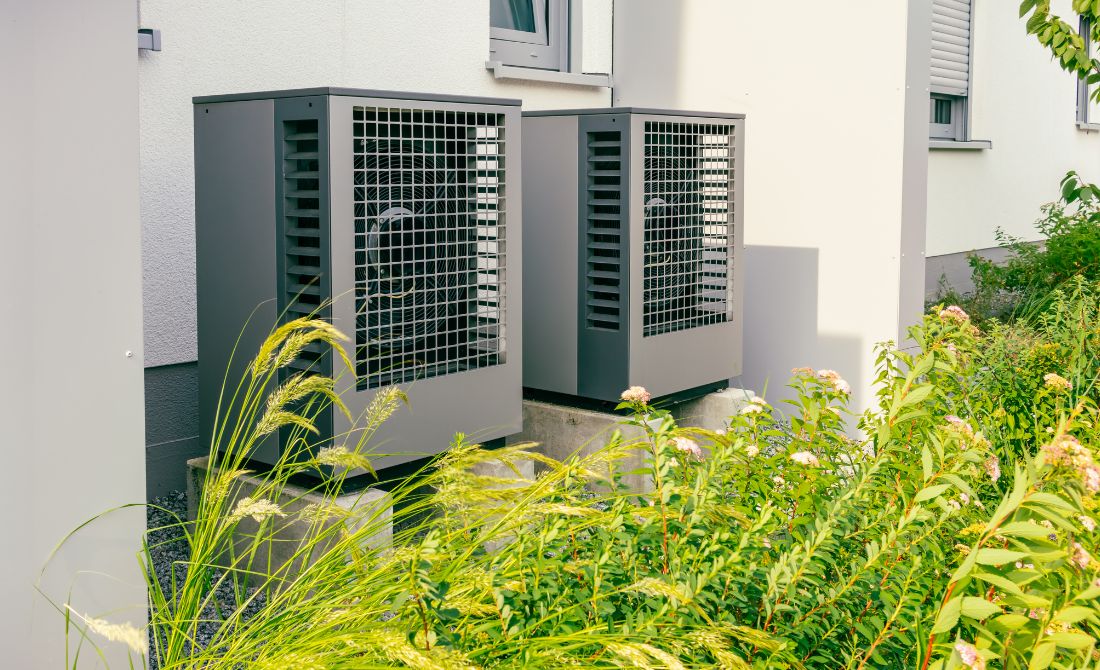
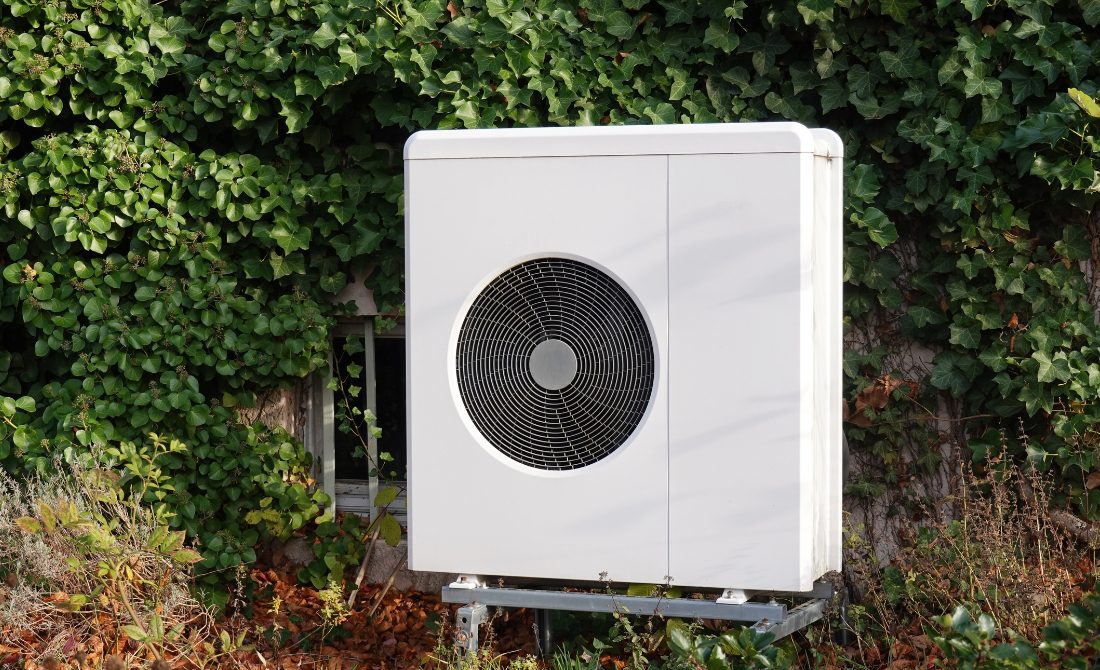
Externally, we install a ground loop in the form of a network of pipes buried in your garden that absorbs low-grade heat from the soil. Internally, we install the heat pump unit and connect it to your central heating system and hot water cylinder.
How long does installation take?
This is a common question, but because every property has different soil conditions and heating needs, timelines can vary.
Generally, the entire project from the first shovel hitting the ground to the heating turning on, takes between one and three weeks. Here is how that time is usually spent:
- Site survey & planning: Completed before installation begins
- Groundworks: This is the most variable stage and depends on your garden space and soil conditions.
- Installing the pump unit: 1–2 days.
- Testing & commissioning: 1 day.
Indoor unit installation and system commissioning
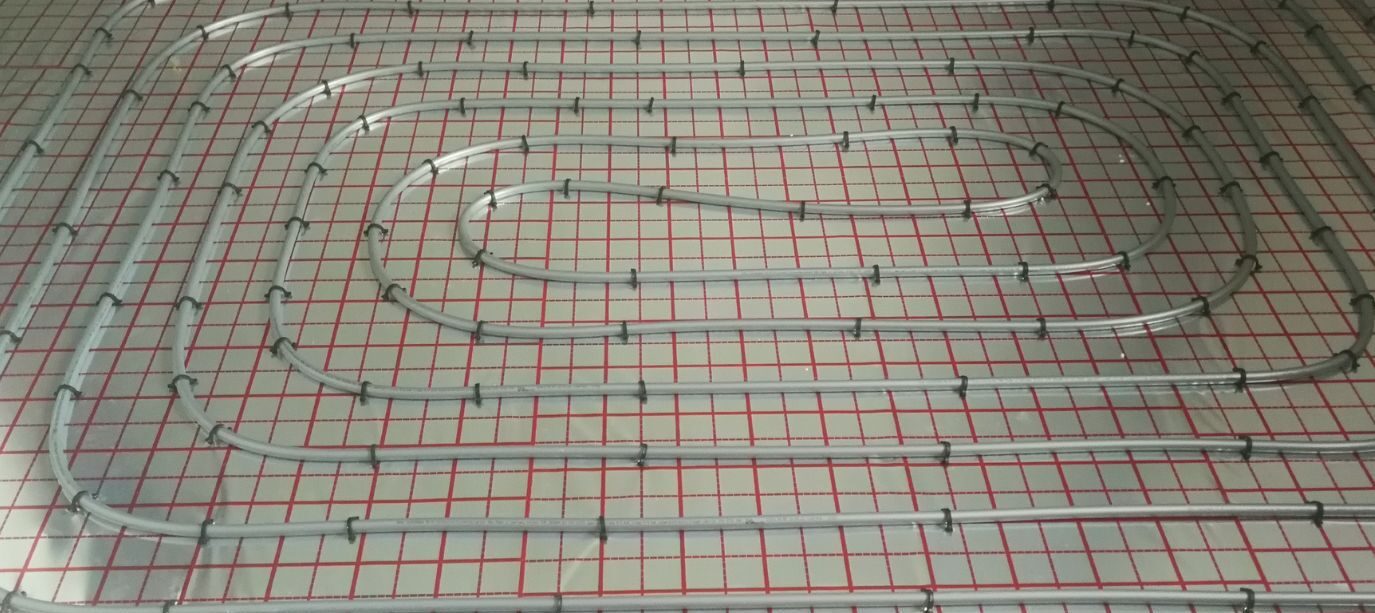
Once the pipes are in the ground, the indoor work is relatively swift. We connect the ground loop to the heat pump unit and then connect the unit to your radiators or underfloor heating. Finally, we test the efficiency and flow rates to ensure everything is running smoothly.
What can affect the installation?
Not all installations are created equal. Several variables can impact the complexity of the job:
- Geology: Rocky ground can make digging trenches difficult and slow, while soft clay is ideal.
- Weather: Heavy rain can delay excavation work, as it makes the ground unstable or messy to work with.
- System type: If your existing radiators are too small to work with the lower flow temperatures of a heat pump, we may need to replace them or install underfloor heating, which adds time to the project.
- Access: We need to get machinery (like mini-diggers or drilling rigs) into your garden. Narrow side alleys or lack of rear access can complicate the logistics.
Choosing the right installer
Because ground source heating installation involves complex engineering, choosing the right partner is vital. You need an installer who is certified by the Microgeneration Certification Scheme (MCS).
Here at Lewington, we are MCS, Gas Safe, and OFTEC accredited.
Costs & government support
It is no secret that ground source heat pumps have a higher upfront cost than gas boilers or air source heat pumps, primarily due to the excavation work required.
However, the UK government is actively encouraging homeowners to make the switch. Through the Boiler Upgrade Scheme (BUS), you can receive a sizable grant towards the cost and installation of a ground source heat pump. For the most up-to-date information about the financial incentives available, please visit our funding page.
Additionally, VAT on the installation of energy-saving materials is currently set at 0%. When you combine the grant, the tax savings and the long-term reduction in energy bills, the initial investment becomes much more attractive.
After installation: What happens next?
Once the installers have packed up and left, you are left with a quiet, automated heating system. The ground in your garden will need time to recover—grass will need to regrow over trenches, but eventually, you won’t know the pipes are there.
We will provide you with a handover pack containing all your warranties, MCS certificates, and user manuals. Ground source heat pumps are incredibly reliable and efficient. However, to keep the system running efficiently and to maintain your warranty, we recommend an annual service. This is a quick check where we ensure the antifreeze levels are correct and the electronics are functioning perfectly.
Frequently Asked Questions (FAQs)
How long does a ground source heat pump installation take?
Typically, the on-site work takes between 1 and 3 weeks. Groundworks (digging or drilling) take up the majority of this time, while the internal installation is usually completed within a couple of days.
Will my garden be disrupted during installation?
Yes. If we are digging horizontal trenches, a significant portion of your garden will be excavated. The soil is backfilled, but the lawn will need time to recover.
Do I need planning permission for a ground source heat pump?
In most cases, installing a ground source heat pump is considered Permitted Development in the UK, meaning you don’t need planning permission. However, if you live in a listed building or a conservation area, you should check with your local authority first.
Can I install a ground source heat pump myself?
No. This is a complex and specialist installation involving groundworks, high-pressure plumbing, and electrical work. To qualify for the Boiler Upgrade Scheme grant and ensure the system works efficiently, it must be installed by an MCS-certified professional.
What’s the difference between ground source and air source heat pump installation?
Air source heat pumps (ASHPs) do not require ground loops, so there is no digging involved. An air source heat pump installation is faster (usually 2-3 days) and cheaper upfront, but while both are great options, ground source heat pumps offer superior long-term efficiency, running costs and longevity.
Find out more today
Installing a ground source heat pump is a significant project, but it is an investment that pays dividends in comfort, carbon savings, and the potential for lower energy bills. While the installation phase involves some temporary disruption to your garden, the result is a renewable heating system that will serve your home for decades.
If you are ready to explore whether your home is suitable for ground source heating, we are here to help.
Contact Lewington today on 01858 433 333 or fill in our contact form to get the process started.